Introduction
Varicose veins are not just a cosmetic issue; they can symbolize underlying health concerns that need attention. With improvements in medical technology, varicose vein removal has become more accessible than ever. Comprehending what to expect before, throughout, and after your procedure is vital for anybody thinking about treatment. This guide intends to equip you with comprehensive knowledge about varicose vein elimination processes, care choices, and recovery.
Varicose Vein Elimination: What to Expect Before, During, and After Your Procedure
Understanding Varicose Veins
Varicose veins take place when veins become bigger or inflamed due to malfunctioning valves. Typically appearing as blue or dark purple bulges on the legs, they can lead to pain or more serious issues if left without treatment. Looking for assessment from a vein doctor at a credible vein treatment center is the primary step toward much healthier veins.
The Importance of Vein Care
Maintaining excellent vein health exceeds aesthetics; it affects total wellness. Correct vein care can avoid additional issues related to varicose veins, including embolism or persistent venous insufficiency.
Consultation with a Vein Care Specialist
Before any treatment, it's essential to talk to a vein care specialist Throughout this initial appointment:
- You'll discuss your symptoms. A physical examination will be conducted. Diagnostic tests like ultrasound may be performed.
This thorough evaluation assists figure out the best strategy customized to your needs.
Choosing the Right Vein Treatment Center
Finding a Local Veins Clinic
When searching for a suitable clinic for your treatment, consider trying to find terms like " veins physician near me" or " advanced vein procedures" A regional clinic makes sure convenience and access to follow-up care.
Evaluating Qualifications and Experience
Ensure that the vein center is staffed by certified specialists experienced in vascular surgery. Search for certifications and patient reviews that show their competence in managing conditions connected to varicose veins.
Types of Varicose Vein Elimination Procedures
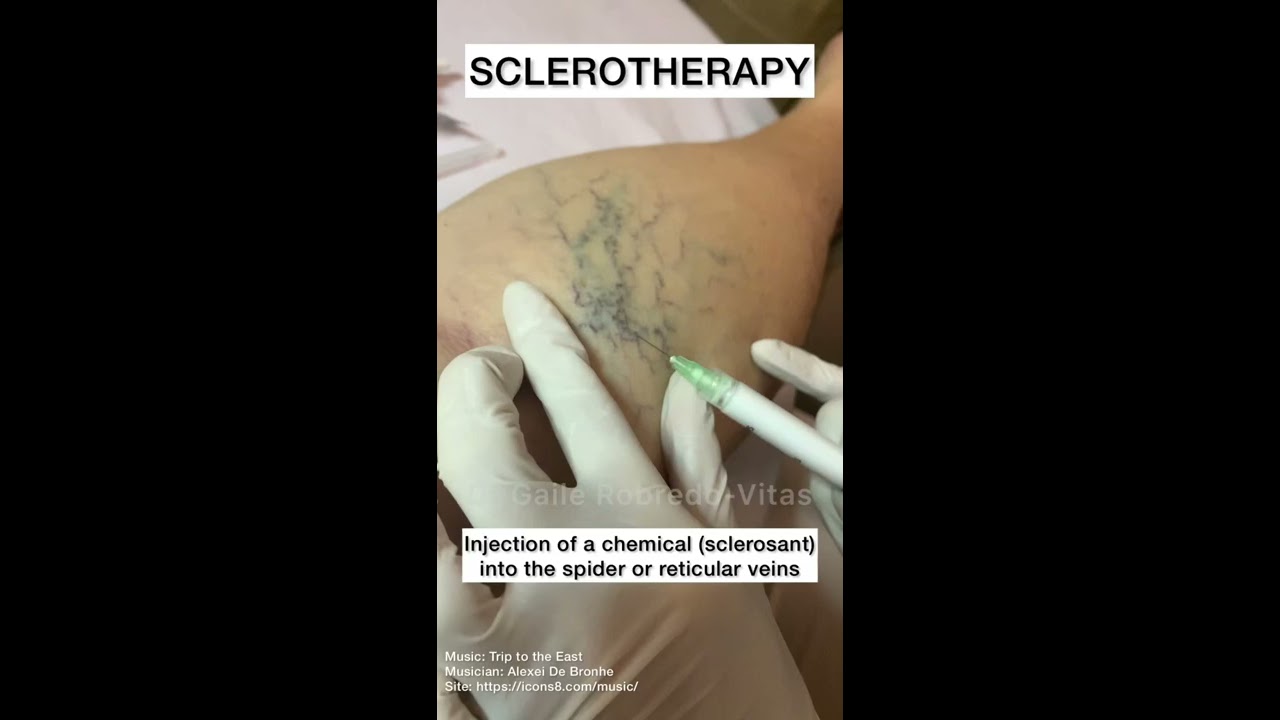
Sclerotherapy: A Non-Surgical Approach
Sclerotherapy includes injecting a solution into the affected veins, triggering them to collapse and fade in time. It's usually advised for smaller varicose veins and spider veins.
Laser Treatments: Advanced Technology
Laser therapy utilizes focused light energy to target particular areas of the vein without hurting surrounding tissue. This method is less intrusive and typically requires minimal downtime.
Endovenous Laser Treatment (EVLT)
EVLT is a minimally intrusive procedure where laser energy is used inside the vein. It's significantly popular due to its efficiency and fast recovery time compared to conventional surgical methods.
Preparing for Your Procedure
Pre-Procedure Guidelines
In preparation for your varicose vein elimination:
- Avoid blood thinners like aspirin. Stay hydrated. Discuss any medications with your doctor ahead of time.
These actions will assist make sure that the treatment runs smoothly and safely.
What to Endure Treatment Day
On the day of your treatment:
- Dress conveniently in loose-fitting clothing. Wear strong shoes as you may be instructed to stroll post-surgery.
During the Treatment: What Happens?
Anesthesia Alternatives Explained
Depending on the type of treatment chosen:
- Local anesthesia may be utilized for sclerotherapy. Sedation could be offered for more comprehensive treatments like EVLT.
Your vein doctor will discuss these alternatives throughout your consultation.

Step-by-Step Introduction of Common Procedures
Preparation: The location will be cleaned up and marked. Anesthesia: Administered based upon private needs. Procedure Execution: The chosen approach (sclerotherapy/laser) will take place. Monitoring: Post-procedure tracking guarantees no immediate problems arise.Aftercare Guidelines Following Varicose Vein Removal
Immediate Post-Procedure Care
After your treatment:
- Rest as encouraged by your health care provider. Monitor for indications of problems such as increased swelling or staining around treated areas.
Activity Limitations Post-Surgery
Avoid heavy lifting or exhausting activities instantly following surgery:

- Light walking may be encouraged within hours post-procedure unless otherwise specified by your doctor.
Table 1: Normal Healing Timeline
|Day|Activity Level|Recommendations|| -----|----------------------------------|-----------------------------|| 1|Day of rest|Avoid strenuous activities|| 3|Light Activities|Start mild walking|| 7|Steady Return|Resume regular activities|
Long-term Care: Preserving Healthy Veins
Lifestyle Changes Towards Healthy Veins
Adopting healthier routines can significantly impact your vein health:
Regular exercise enhances circulation. Maintaining a healthy weight lowers pressure on leg veins. Wearing compression stockings can supply assistance during extended sitting or standing periods.Follow-Up Gos to at Your Vein Treatment Center
Post-treatment follow-ups are crucial in assessing healing progress:
- Regular check-ups assist monitor healing. Additional treatments might be needed based on private outcomes.
FAQs About Varicose Vein Removal
1. What causes varicose veins?
Varicose veins are primarily triggered by weakened valves in the veins, causing poor blood circulation back towards the heart.
2. How do I understand if I require varicose vein removal?
If you're experiencing pain, swelling, or noticeable bulging veins that impact your quality of life or cause discomfort, speak with a vein professional who can advise suitable treatment choices based upon your condition.
3. Exist threats associated with varicose vein removal?
As with any medical procedure, threats include bleeding, infection, or allergic reactions but are usually low when performed by skilled experts at reliable clinics.
4. How long does healing take after varicose vein removal?
Recovery times vary depending upon the type of treatment but most clients go back to normal activities within a week while sticking closely to aftercare guidelines supplied by their doctors.
5. Are there non-surgical alternatives available?
Yes! Sclerotherapy and laser treatments are effective non-surgical choices offered at many vein treatment centers focusing on sophisticated methods for dealing with varicosities without major incision procedures.
6. Will my insurance cover varicose vein removal?
Coverage varies based upon insurance plans; it's a good idea to contact your supplier ahead of time concerning protection specifics connected to vascular surgery treatments deemed medically required versus those sought simply for cosmetic reasons.
Conclusion
In summary, comprehending what to anticipate from varicose vein removal-- before, during, and after-- is important for making notified decisions about your healthcare choices in pursuit of healthier veins. Consulting a skilled vein care specialist at a reputable vein treatment center will guide you through every step-- from medical diagnosis through healing-- making sure optimum results tailored particularly for you! Accept this journey towards enhanced venous health today!